Why Your Bedroom Still Smells Damp After You “Opened a Window”
A quick blast of cold air is not the same as controlling moisture overnight in a UK bedroom.
Quick answer
Opening a window briefly does not fix a damp bedroom smell if condensation and overnight moisture are the cause. Ventilate when outdoor air is drier and warmer if you can, dry laundry elsewhere, and use a quiet bedroom dehumidifier (night mode / low dB) in heated rooms to pull moisture out while you sleep. Compare overnight picks in our damp-bedroom guide; see the broader best dehumidifiers UK roundup for whole-home sizing.
Best dehumidifier for damp bedroom UKYou crack the window “to air the room”, the curtains flap, the radiator works harder — and by bedtime the bedroom still smells faintly of damp plaster or washing. That smell is usually moisture and cool surfaces (condensation risk), not a failure of willpower. Opening a window briefly lowers CO₂ and feels fresh, but it rarely removes the water vapour that builds up from sleep, showers and indoor laundry.
In UK winters, cold outdoor air can also cool walls and windows so moisture hits dew point faster when you close up again. The practical answer for many heated bedrooms is a quiet overnight dehumidifier sized for the room — not endless window theatre. Start with our best dehumidifier for damp bedroom UK guide when you are ready to compare quiet night-mode picks.
Is “just open a window” enough for a damp UK bedroom?
Short answer: often no — especially in cold, wet months. A few minutes of ventilation can clear stale air, but the musty smell returns when moisture from breathing, residual laundry humidity and cool external walls reunite overnight. If windows run with condensation each morning, you have a moisture problem, not only a “stuffy room” problem.
Useful window habit still exists: air the room when outdoor absolute humidity is lower (mild dry days), and avoid leaving windows open for hours while the heating fights the cold. Treat ventilation as a helper, not the whole strategy.
Condensation, mould smell, or rising damp?
Most “smells damp after airing” complaints in heated UK bedrooms are condensation-driven: moisture hits cold glass and external walls, then feeds musty odours and, over time, mould risk on sills and behind furniture. Rising damp and penetrating damp are different — look for tide marks, wet skirting at ground level, or leaks. A dehumidifier will not fix a leaking roof.
If you mainly see morning window condensation and a musty wardrobe smell, moisture control is the right category. Pair that with sealing cold under-door draughts if the room sits off a freezing hall — see hall draught fix and best draught excluders UK.
When does a quiet overnight dehumidifier help?
Choose a bedroom-focused unit when: the room is usually heated; you need night mode or genuinely low noise; tank size or continuous drain fits your routine; and you want HEPA or child-lock extras if relevant. Desiccant models suit colder or barely heated rooms; compressor models suit typical heated bedrooms and often cost less to run in that context — details live on the money pages.
Do not expect a tiny USB “mini dehumidifier” to dry a double bedroom. Spot the right size and noise profile in best dehumidifier for damp bedroom UK, or browse capacity tiers in best dehumidifiers UK.
Indoor laundry makes bedroom damp worse
Drying washing on a cold bedroom radiator loads the air with moisture that settles on windows. Move laundry to a heated clothes airer in a room you can ventilate or dehumidify — that is the “condensation tax” problem covered in our indoor laundry article.
Who this advice is for (and who should skip it)
This page is for UK sleepers fighting musty bedroom air and morning condensation after “airing the room”. It is not medical mould advice, and it is not a leak diagnosis. If you suspect structural damp, get a surveyor or landlord involved before buying kit.
Next step: pick a bedroom dehumidifier
Use the decision helper and overnight-focused picks on best dehumidifier for damp bedroom UK. For whole-home or cold-room edges, cross-check best dehumidifiers UK. This spoke explains the ventilation myth; the guides do the product comparison.
Why we give this advice
Editorial advice based on common UK bedroom condensation patterns, manufacturer night-mode / noise claims, and our existing Amazon UK dehumidifier research. We do not claim lab RH charts for your specific flat. Product rankings and ASINs live on the linked guides only.
Who it is for
- People whose bedroom smells musty despite “airing the room”
- Heated UK bedrooms with morning window condensation
- Anyone comparing quiet overnight dehumidifiers before buying
Who should skip it
- Suspected rising damp, leaks or landlord disrepair (get that fixed first)
- Readers wanting a full Top N table on this URL
Important limitations
- No lab tests of smell removal or mould kill claims.
- Noise “quiet” claims vary by room acoustics — check recent buyer feedback on the guide.
- Approximate Amazon UK price bands only on money pages; verify live prices.
- Affiliate commissions may apply via Amazon UK Associates (topmagpie-20) on linked guides.
Frequently asked questions
1.Why does my bedroom still smell damp after I open the window?
2.Should I leave the bedroom window open all night in winter?
3.What makes a dehumidifier suitable for a damp bedroom?
4.Can a dehumidifier stop mould in a bedroom?
Ready to choose a product?
This page stays problem-focused. Product rankings, approximate price bands and Amazon UK links live on the buying guide.
Best dehumidifier for damp bedroom UKRelated buying guides
 Guide
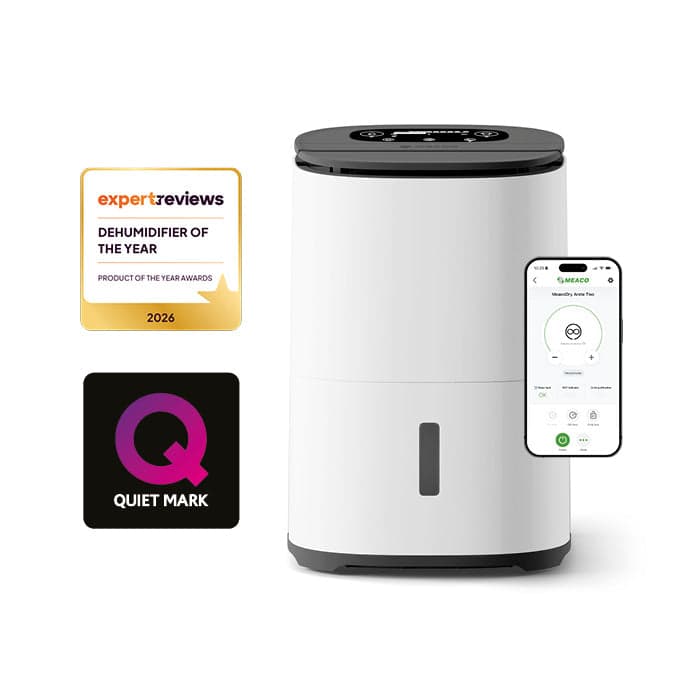
GuideBest Dehumidifier for Damp Bedroom UK
Quiet overnight bedroom focus — the direct money page for this problem.
 Guide
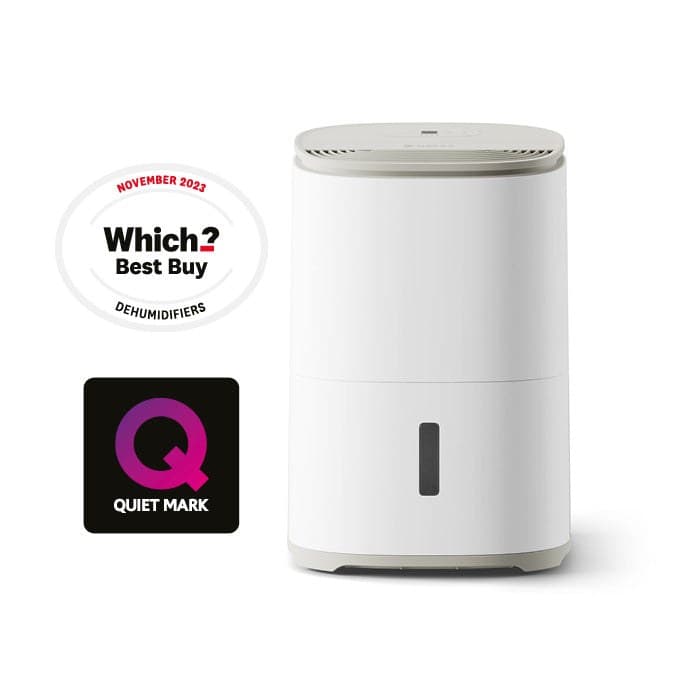
GuideBest Dehumidifiers UK
Broader capacity and cold-room picks if the bedroom is not a typical heated room.
 Guide
GuideBest Heated Clothes Airer for Small Flat UK
Stop drying laundry in the bedroom if that is feeding the damp smell.
More winter advice
Affiliate disclosure: TopMagpie participates in the Amazon EU Associates Programme (store / tracking: topmagpie / topmagpie-20). Buying guides linked from this article may contain affiliate links; we may earn from qualifying purchases. This does not change our editorial selections.
Research note: This is a problem→answer editorial spoke, not a laboratory test report. We do not invent live prices. Product comparisons live on the linked money pages.