Is Plug-In Solar Worth It in the UK?
What an 800W balcony or garden kit really makes, what it saves at the 26.32p price cap, and the 2026 rules you need to follow, all from government figures.
Quick answer
It can be. Using government figures at the 26.32p per kWh price cap (1 October to 31 December 2026), an 800W plug-in solar kit facing south at a 30° tilt saves about £113 a year, so a £500 kit pays back in about 4.4 years. Hung upright on a balcony facing east or west, it saves about £72 a year and pays back in about 7.0 years. It works best with an unshaded spot and someone home in the day. You must use a compliant kit, plug it straight into a wall socket and register it.
Work out your payback: plug-in solar calculatorPlug-in solar (often called balcony solar) has been legal in England, Scotland and Wales since 27 August 2026. It's a small solar kit with its own inverter that plugs into a normal 13A wall socket, so it doesn't need a rooftop installation. The question most people have is simple: will it pay for itself?
We used the government's own modelling and the Ofgem price cap rate of 26.32p per kWh (1 October to 31 December 2026) to work it out. On those figures a £500 kit pays back in about 7 years or less before any extra costs such as an outdoor socket, but how fast depends on where the panels go and whether you use the power in the daytime. To try your own figures, use our plug-in solar savings calculator.
What an 800W plug-in solar kit really gives you
The government's impact assessment estimates that 800W of panels with little shade make about 690 kWh a year facing south at a 30° tilt, and about 378 kWh hung upright facing east or west. Its central case sits in between, at about 534 kWh.
You only save money on the power you use as it's made, because you probably won't be paid for the rest (more on that below). The government assumes a home with average use (3,323 kWh a year) and someone in on weekday daytimes uses 62% of the south-facing kit's power (428 kWh) and 72% of the upright kit's power (272 kWh).
So the south-facing kit replaces about 13% of the electricity an average home buys. That's a useful trim, not a replacement for your bill. Most of it comes between spring and autumn, so it does little for winter heating.
Plug-in solar savings and payback at the October 2026 price cap
At 26.32p per kWh, with nothing paid for spare power, here is what the government's three examples work out at with a £500 kit, the government's central kit price.
South-facing, tilted at 30°: about £113 a year, paying back in about 4.4 years. Somewhere in between: about £92 a year, about 5.4 years. Upright on a balcony facing east or west: about £72 a year, about 7.0 years.
If you need an electrician to fit an outdoor socket (the government's model uses £200), payback stretches to about 6.2 years for the south-facing kit and about 9.8 years for the upright one. The government also allows £150 if you pay for help mounting the panels.
Over the government's 15-year appraisal period, with a £100 replacement inverter after 10 years, a south-facing £500 kit comes out about £1,090 ahead at today's rate, and an upright balcony kit about £474 ahead. These are simple figures that assume today's electricity price for the whole period.
The government says kits are likely to cost around £400 to £600 at first. Change the kit price, your spot and your rate in the plug-in solar calculator.
Who plug-in solar suits, and who should wait
It suits you if you have an unshaded south-facing garden, flat roof or balcony, someone is at home in the day, and you can run things like the washing machine or dishwasher while the sun is out. The more of the power you use as it is made, the bigger the saving.
It suits you less if your only spot is shaded or faces north, or the home is empty all day. In those cases you will use less of what the panels make, so your saving will be lower than the figures above.
Check before you buy if you rent, own a leasehold flat or live in a managed building: you need permission first. Flats, buildings with cladding and timber balconies can have extra fire safety rules, and you may need planning permission or listed building consent. The Energy Saving Trust says plug-in solar is not yet permitted in Northern Ireland.
Is plug-in solar legal in the UK? The 2026 rules
Yes, in England, Scotland and Wales. The law that allowed it is SI 2026/848, and a kit must meet the government's Plug-in Solar Device Interim Product Specification (version 2). The main limits are below.
The kit can feed no more than 800W into your home. The panels themselves can add up to 2,000W, with the inverter capping the output. If the panels add up to more than 960W, the specification says to think about having an electrician check your wiring first.
It must plug straight into a fixed wall socket with its own plug. Extension leads, multi-way adaptors, travel adaptors and RCD adaptors are not allowed. The Energy Saving Trust says to use a socket on a circuit with no lights or wired-in appliances such as a boiler or cooker, and only one plug-in solar kit per home for now.
You must register the kit so your electricity network operator knows it is there, and tell them if you remove it. The rules cover solar only: plug-in batteries are not part of them.
Checks before you buy
The Energy Saving Trust checklist, written with the government, is the best place to start. Check the exact model is on the ENA Connect Direct device register of UK-compliant kits. Look at your fuse box: if it has old rewireable fuses rather than switches marked RCD, RCBO or MCB, the Energy Saving Trust says not to install plug-in solar. An outdoor socket must be weatherproof and fitted by a qualified electrician. Fix the panels securely so they cannot blow over, and tell your home insurer.
Will you be paid for power you send to the grid?
Probably not at first. Export payments under the Smart Export Guarantee normally need a certified installation and a meter that records exports, and the government expects that this will not apply to many plug-in solar owners to begin with. That is why every figure on this page counts spare power at 0p. If you do get an export rate, the saving goes up.
How to get more from plug-in solar
Pick the sunniest, least shaded spot you have, and tilt the panels towards the south if you can. Then shift flexible jobs into the middle of the day: the washing machine, dishwasher or charging.
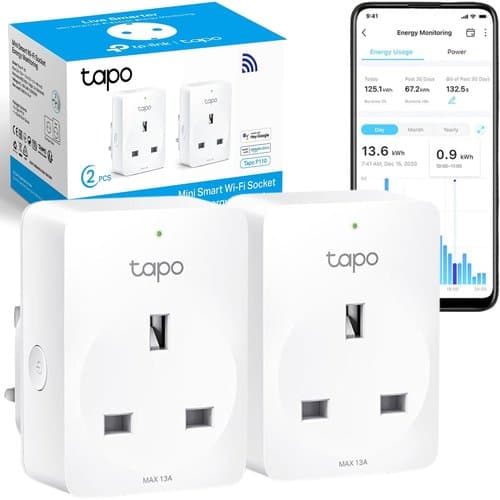
An energy monitor plug shows what each appliance really uses, so you can see what the panels could cover. Use it on appliances only: the solar kit itself must go straight into the wall socket. To see what individual appliances cost to run, try the appliance running cost calculator.
If payback looks too slow for your home, cheaper steps can cut your bill sooner. Our draught-proofing savings calculator shows how fast sealing gaps pays back.
Where these figures come from
Generation, home-use shares and costs come from the DESNZ plug-in solar final-stage impact assessment (July 2026). The rules come from SI 2026/848, the DESNZ Interim Product Specification v2 and the Energy Saving Trust's plug-in solar checklist. The electricity rate is the Ofgem price cap average Direct Debit unit rate for England, Scotland and Wales, 26.32p per kWh for 1 October to 31 December 2026. All checked on 7 October 2026. The full source list, with links, is on our plug-in solar calculator page.
This is general information, not electrical, legal or financial advice.
Why we give this advice
We reused the figures behind our plug-in solar calculator: generation, home-use and cost assumptions from the government's impact assessment, rules from SI 2026/848, the product specification and the Energy Saving Trust, and the Ofgem price cap rate (26.32p per kWh, 1 October to 31 December 2026). We have not tested any plug-in solar kits.
Who it is for
- Homeowners and renters weighing up an 800W balcony or garden solar kit
- Anyone at home in the day who wants to cut their electricity bill
- People checking the 2026 UK plug-in solar rules before buying
Who should skip it
- Homes in Northern Ireland, where the Energy Saving Trust says plug-in solar is not yet permitted
- Anyone looking for full rooftop solar or battery advice
Important limitations
- Savings use government example figures and today's price cap rate. Your spot, shade, use and tariff will change the result.
- Payback ignores future price changes and counts nothing for exported power.
- Rules can change. Check GOV.UK and the Energy Saving Trust before you buy.
- General information only, not electrical, legal or financial advice.
Frequently asked questions
1.Is plug-in solar worth it in the UK?
2.Is plug-in solar legal in the UK?
3.How much electricity does an 800W plug-in solar kit make?
4.Can I plug a solar panel into an extension lead?
5.Do I need to register plug-in solar?
Ready to run your own numbers?
Our free calculator starts with the figures on this page. Change any of them to match your home and tariff.
Work out your payback: plug-in solar calculatorRelated buying guides
 Guide
GuideBest Energy Monitor Plugs UK
See what your appliances use in the daytime, so you know what a solar kit could cover.
 Guide
GuideBest Draught Excluders UK
A cheaper first step that cuts winter heating bills, when solar does least.
 Guide
GuideBest Thermal Curtains UK
Keep winter heat in for less than the cost of a solar kit.
More winter advice
Affiliate disclosure: TopMagpie participates in the Amazon EU Associates Programme (store / tracking: topmagpie / topmagpie-20). Buying guides linked from this article may contain affiliate links; we may earn from qualifying purchases. This does not change our editorial selections.
Research note: This is a problem→answer editorial spoke, not a laboratory test report. We do not invent live prices. Product comparisons live on the linked money pages.