How Much Does It Cost to Boil a Kettle in the UK?
A full kettle, one mug, a gas hob and a microwave, worked out at the Ofgem price cap for 1 October to 31 December 2026.
Quick answer
A full 1.7 litre kettle costs about 4.9p to boil in the UK, 1 litre costs about 2.9p and one mug (250ml) costs about 0.7p, at the Ofgem price cap of 26.32p per kWh for 1 October to 31 December 2026. Boiling only what you need is the biggest saving: four full kettles a day cost about £72 a year, against about £11 for four single mugs.
Best energy monitor plugs UKHow much does it cost to boil a kettle in the UK? At the Ofgem price cap of 26.32p per kWh (1 October to 31 December 2026), a full 1.7 litre kettle costs about 4.9p to boil. One litre costs about 2.9p, and just enough water for one mug costs about 0.7p.
The power of your kettle hardly matters. A 3kW kettle boils faster than a 2kW one, but it uses about the same amount of electricity to boil the same water. What changes the cost is how much water you boil, and how hot you make it. We show the sums below so you can check them, and so you can redo them with the rate on your own bill. If you want to measure your own kettle, a plug-in energy monitor plug shows exactly what each boil uses.
Cost to boil a kettle: full, 1 litre and one cup
Here is what an electric kettle costs per boil at 26.32p per kWh. These figures assume tap water starts at 15°C and the kettle turns 90% of the electricity into heat in the water.
Full kettle (1.7 litres): about 0.19 kWh, so about 4.9p a boil.
1 litre (about four mugs): about 0.11 kWh, so about 2.9p a boil.
One mug (250ml): about 0.027 kWh, so about 0.7p a boil. Many kettles have a minimum fill line of around two mugs, so check yours. Filling below the line is not safe.
In winter, tap water is colder, so each boil can cost up to about a tenth more. In summer it can cost a little less.
Want to work out other kitchen gadgets too? Our appliance running cost calculator works costs out from an appliance’s wattage and how long it runs. For a kettle that gives a similar answer to the sums here.
How we worked it out
It takes 4.186 kilojoules to warm 1 litre of water by 1°C. Going from a 15°C tap to 100°C means 85°C, which works out at about 0.099 kWh per litre before any heat is lost.
Electric kettles lose very little heat, because the element sits in the water. Physicist Michael de Podesta, formerly of the National Physical Laboratory, timed his kettle at home and found it about 90% efficient. When he tested again in 2022 it came out close to 100%. We use 90% to be on the safe side, so real costs may be a touch lower.
The electricity rate is the Ofgem price cap average for people paying by Direct Debit in England, Scotland and Wales: 26.32p per kWh for 1 October to 31 December 2026. Ofgem says there is no VAT on electricity from 1 October 2026 to 31 March 2027, and that figure already reflects it. The daily standing charge is not included, because you pay it whether you boil the kettle or not.
How much does a kettle cost to run a year?
Say you make four hot drinks a day. Boiling a full kettle every time costs about 20p a day, or about £72 a year. Boiling just one mug each time costs about 2.9p a day, or about £11 a year.
Most people sit somewhere in between. The Energy Saving Trust says only filling the kettle with the water you need saves about £10 a year in Great Britain. That fits our sums for a household that overfills a bit, rather than one that fills to the top every time.
A quick way to fill the right amount: pour the mugs you are about to make into the kettle, rather than filling it from the tap and guessing.
Is it cheaper to boil water in a kettle, on the gas hob or in a microwave?
Per litre at the price cap, a pan on a gas hob is cheapest to run, at about 2.0p, even though gas wastes most of its heat. An electric kettle costs about 2.9p, an induction hob about 3.0p and a microwave about 4.0p.
Why is gas cheaper when it is so wasteful? Gas costs 7.97p per kWh at the cap, about a third of the electricity price. In Michael de Podesta's tests, gas burners put only about 36% to 56% of their heat into the water, with bigger burners wasting more. We use 40%. Even at that rate, the cheaper fuel wins.
Gas is much slower, though, and it heats your kitchen rather than the water. It is also easy to put too much water in a pan. If you boil more than you need on the hob, the kettle quickly becomes the cheaper option.
A microwave is the most expensive way to boil a litre. In the 2022 tests it was about 65% efficient. For a single mug it costs about 1.0p, still more than a kettle boiling just that mug, and water heated in a microwave can boil over suddenly when you move it. Comparing microwaves anyway? See our best microwave UK guide.
Four ways to make the kettle cheaper to run
1. Boil only what you need. This is by far the biggest saving, and it costs nothing.
2. Do not boil for green tea or coffee you then leave to cool. Heating water to 80°C instead of 100°C takes about 24% less energy, because you are warming it by 65°C rather than 85°C. Kettles with temperature settings make this easy.
3. Skip the keep-warm button unless you really need it. Keeping water hot means the kettle keeps topping up the heat it loses.
4. Make several drinks from one boil. One boil of 1 litre costs less than four separate boils of 250ml each, because the kettle body heats up once, not four times.
Does leaving the kettle plugged in use electricity?
A basic kettle with a simple on and off switch uses no power when it has switched itself off. Kettles with a digital display, temperature settings or a keep-warm mode may use a small amount on standby, so check the manual. If you want to know for sure, plug it into an energy monitor plug and look at the reading when the kettle is off.
Why we give this advice
We worked out every figure from the physics of heating water (4.186 kJ per litre per °C), a 15°C tap, published home efficiency measurements by physicist Michael de Podesta, and the Ofgem price cap rates for 1 October to 31 December 2026. We have not measured these appliances ourselves. The figures update automatically when we update the price cap rate.
Who it is for
- Anyone wondering what a cup of tea really costs to make
- Households trying to cut small, everyday electricity costs
- People choosing between a kettle, gas hob or microwave for hot water
Who should skip it
- People on time-of-use tariffs who want an exact figure (use your own unit rate)
- Anyone after a kettle ranking (see our kettle buying guide)
Important limitations
- Efficiency figures are from published home tests, not our own lab measurements, and real kettles vary.
- Costs assume tap water at 15°C. Colder winter water costs a little more to boil.
- Uses the Ofgem price cap average unit rate (26.32p per kWh, 1 October to 31 December 2026). Your tariff and region may differ.
- Standing charges are not included.
Frequently asked questions
1.How much does it cost to boil a full kettle in the UK?
2.How much does it cost to boil a kettle for one cup?
3.Is it cheaper to boil water in a kettle or a microwave?
4.Is it cheaper to boil water on a gas hob than in an electric kettle?
5.Does a 3kW kettle cost more to run than a 2kW kettle?
6.How much does a kettle cost to run a year?
7.How much can I save by not overfilling the kettle?
8.Does leaving a kettle plugged in use electricity?
9.What electricity price does this page use?
10.Does the standing charge count?
Ready to choose a product?
This page stays problem-focused. Product rankings, approximate price bands and Amazon UK links live on the buying guide.
Best energy monitor plugs UKRelated buying guides
 Guide
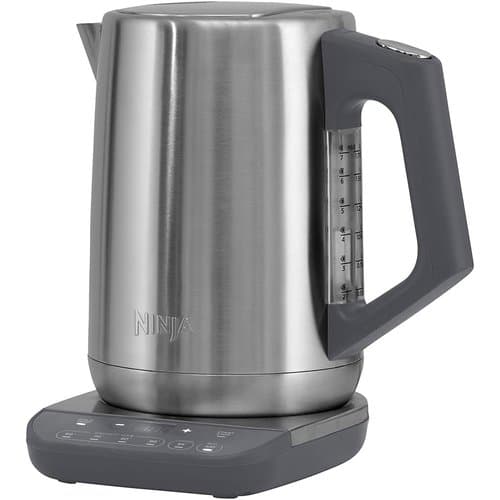
GuideBest Temperature Control Kettle UK
Heat water to 80°C for green tea or coffee instead of boiling it, and pick a kettle that boils a single cup.
 Guide
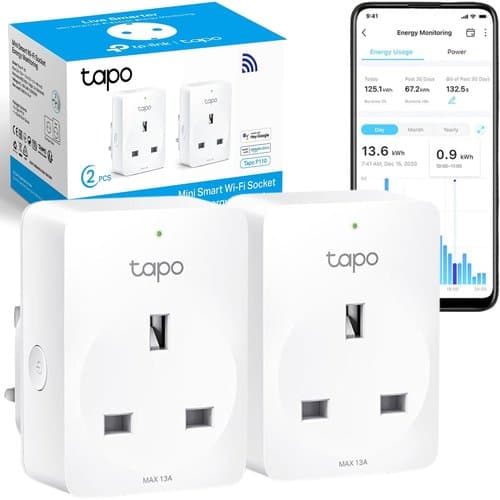
GuideBest Energy Monitor Plugs UK
Plug your kettle in and see exactly how many kWh and pence each boil uses.
 Guide
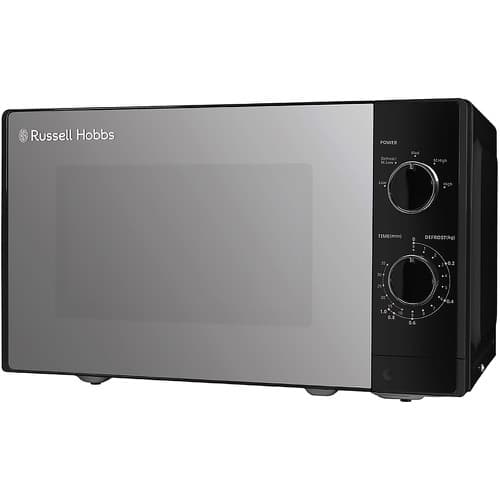
GuideBest Microwave UK
Microwaves cost more than a kettle to boil water, but they are the cheap way to reheat food.
 Guide
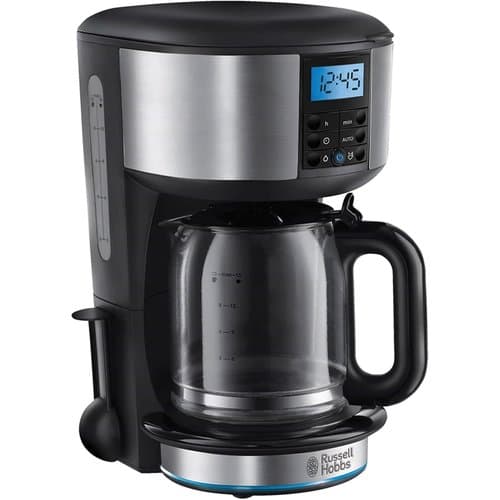
GuideBest Coffee Machine Under £100 UK
Making coffee rather than tea? Our budget picks for UK kitchens.
More winter advice
Affiliate disclosure: TopMagpie participates in the Amazon EU Associates Programme (store / tracking: topmagpie / topmagpie-20). Buying guides linked from this article may contain affiliate links; we may earn from qualifying purchases. This does not change our editorial selections.
Research note: This is a problem→answer editorial spoke, not a laboratory test report. We do not invent live prices. Product comparisons live on the linked money pages.